Medical Center » Services » Cancer Care
Cancer can bring uncertainty for patients and the people who care about them. Having trusted specialists nearby can provide reassurance during an unfamiliar time. At Hutchinson Regional, our cancer care teams combine expertise with compassionate support, helping patients feel understood, connected and cared for throughout their treatment.
Cancer treatment looks different for every patient. Depending on your diagnosis and treatment plan, your care may involve specialists from Hematology & Oncology, Chalmers Cancer Center and other Hutchinson Regional Medical Center services. By working together, our teams help connect each part of your care and provide a clearer path through treatment.
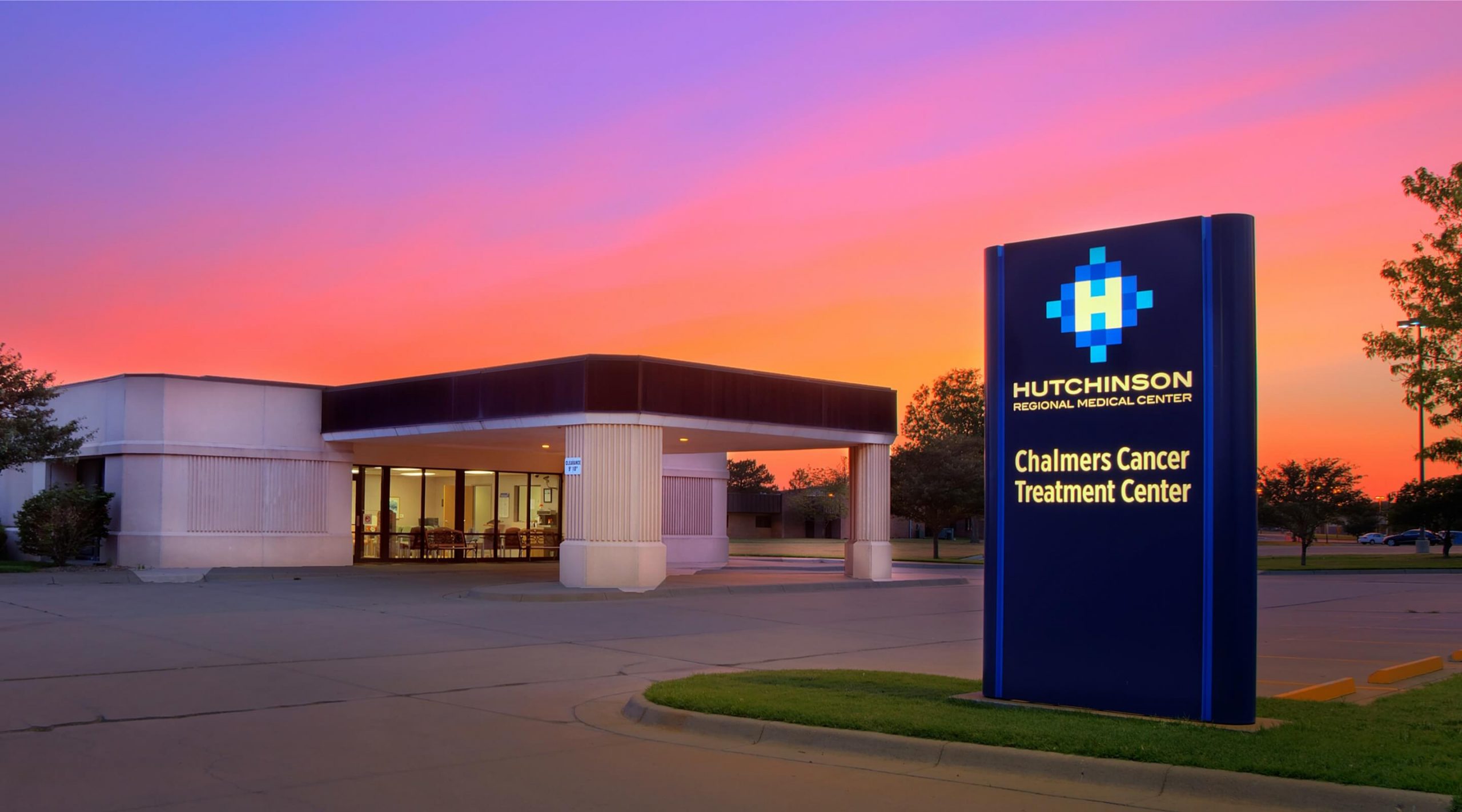
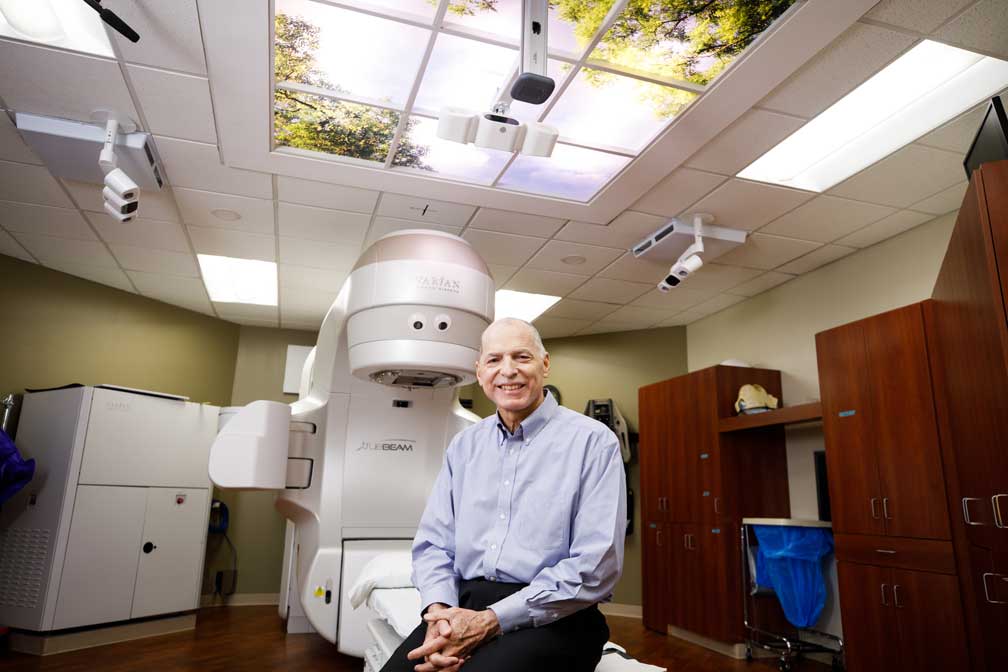
Radiation Oncology services are provided through Chalmers Cancer Center, where patients receive individualized radiation treatment using advanced imaging and precision technology. When radiation is part of a treatment plan, the Chalmers team works to accurately target tumors while limiting exposure to surrounding healthy tissue and coordinating with other cancer specialists as needed.
Services Include:
Radiation Oncology
Individualized Treatment Planning
Image-Guided Radiation Therapy
Intensity-Modulated Radiation Therapy
Advanced Radiation Technology
When a treatment plan includes medical cancer treatment, symptom management or coordinated care with surgery, infusion, or radiation, Hutchinson Hematology & Oncology Associates helps manage the medical side of a patient’s care. The team also evaluates and treats both cancerous and non-cancerous blood disorders, with care tailored to each patient’s diagnosis and individual needs.
Services Include:
Medical Oncology
Hematology
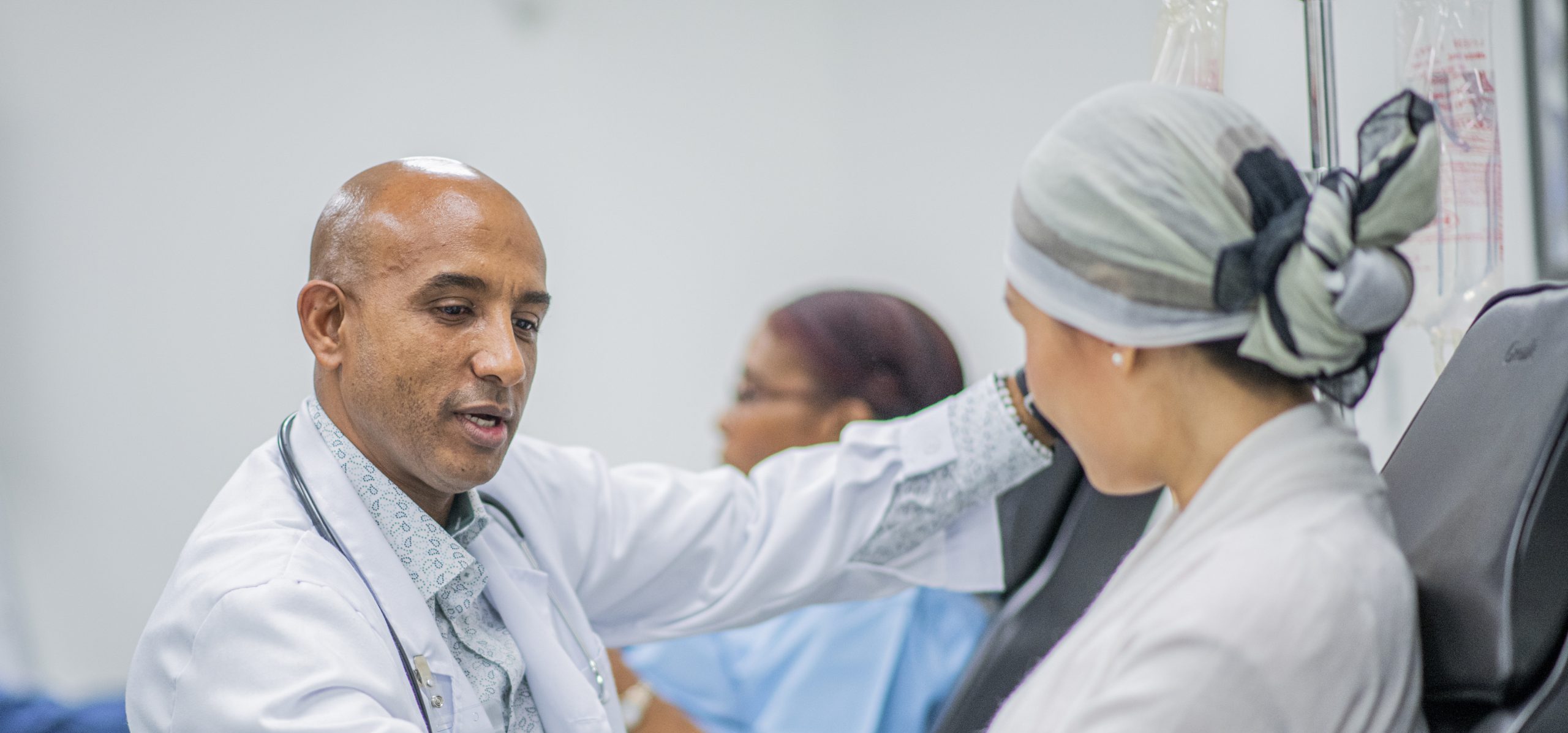
Inpatient & Outpatient Chemotherapy
Symptom Management
Cancer Care Coordination
A cancer diagnosis can bring many questions, decisions and changes over time. Each patient’s path is different, shaped by the type and stage of cancer, treatment needs and how they respond along the way.
Along that path, patients may work with specialists in Radiation Oncology, Urology, and Hematology & Oncology, as well as other care teams and support services contributing to their care plan. These specialties work together to help patients navigate their cancer care with greater coordination and support.
Explore each stage of the cancer care journey and the care that guides it, then discover more about our Cancer Care services.
WHERE CARE BEGINS
Whether routine or unexpected, checking in can help bring clarity to what comes next.
A new symptom, change in your health or routine screening result can be a reason to take a closer look. Starting with a conversation with your provider can help determine whether additional testing is needed and connect you to the right next step in care.
FINDING ANSWERS
Testing can help turn uncertainty into a clearer path forward.
If cancer is suspected, your provider may talk through symptoms, review results and recommend additional testing. Imaging or a biopsy can help confirm a diagnosis, determine the stage of disease and give your care team the information needed to develop a personalized treatment plan.
CARE IN ACTION
Treatment can adjust as your needs and response change.
Your care plan is tailored to your unique diagnosis and may include one or several approaches, such as active surveillance, surgery, radiation or medication. Throughout treatment, your care team works together to monitor your progress, manage side effects and adjust your plan as needed.
ROAD TO RECOVERY
Recovery is about making progress at a pace that works for you.
As treatment ends or changes, our focus begins to shift toward healing. Rehabilitation and therapy help rebuild strength, improve functionality, manage side effects and return to the activities that matter most.
SUPPORT FOR WHAT’S NEXT
Ongoing care helps you stay connected to your health beyond treatment.
Cancer care extends beyond medical treatment. Continued support helps care for your physical health, emotional well-being and long-term wellness. Staying connected through follow-up visits and routine testing can help you feel informed and confident about the road ahead.
Chalmers evaluates and cares for many types of cancer across the state of Kansas. Every diagnosis is different, and treatment depends on the tumor’s type, location and other individual factors. Care may involve several specialists working together to determine the right approach for each patient. When radiation is part of the treatment plan, Chalmers Cancer Center uses advanced technology to precisely target the treatment area while helping limit exposure to nearby healthy tissue.
Brain Cancer
Breast Cancer
Lung Cancer
Neck Cancer
Prostate Cancer
Your treatment plan is personalized to your diagnosis and individual needs and may include one or a combination of the specialized treatment options below.
Medication that targets fast-growing cancer cells throughout the body.
Chemotherapy uses medication to slow or stop the growth of cancer cells. It may be given through an IV infusion or taken by mouth, on a schedule built around your treatment plan. Because it travels through the bloodstream, it can reach cancer in more than one area of the body. Your oncologist will explain which medications are recommended for your cancer type and what to expect between cycles.
Treatment that helps your own immune system recognize and fight cancer. Immunotherapy works with your immune system rather than attacking cancer cells directly. These medications help the body identify cancer cells it may otherwise miss. Immunotherapy is used for certain cancer types and is often combined with other treatments. Your care team will monitor how your body responds throughout the course of treatment.
Precisely targeted energy that treats cancer in a specific area.
Radiation therapy uses high-energy beams directed at a specific area to destroy cancer cells while limiting exposure to surrounding healthy tissue. Treatment is planned with advanced imaging and delivered in short sessions over a set number of days or weeks. Radiation services are provided locally through Chalmers Cancer Center.
Treatment that blocks the hormones some cancers rely on to grow.
Some cancers, including certain breast and prostate cancers, use hormones to grow. Hormone therapy lowers hormone levels or blocks their effect so the cancer has less to feed on. It is often used over a longer period of time and may be combined with surgery, radiation or other medications.
Medications matched to the specific features of your cancer.
Targeted therapies act on specific genes, proteins or other traits found in your cancer cells. Because they focus on what makes your cancer unique, they can spare more healthy tissue than broader treatments. Testing of your tumor or blood helps your oncologist determine whether a targeted therapy is an option for you.
Cancer treatment is rarely one-size-fits-all. A connected approach helps bring the right expertise into a patient’s care at the right time, with teams communicating and working toward the same treatment goals.
Diagnostic scans that guide and monitor treatment.
Chemotherapy and infusion care close to home.
Lung specialists for diagnosis and ongoing care.
Surgical care coordinated with your oncology team.
Breast and gynecologic cancer support.
Care for urologic and prostate cancers.
A cancer diagnosis can bring a lot of information, questions and decisions all at once. After a diagnosis, you have enough to carry. Your care team is here to help guide what comes next, with specialists who take time to explain your care clearly, listen to your concerns and work together when more than one specialty is involved.
Your oncologist builds a plan around your cancer type, your health history and what matters to you — then walks you through it before anything begins.
Your primary care provider and referring physicians stay informed, and your care team keeps you updated on results, next steps and timing.
When your care involves imaging, surgery, infusion or another specialty, we bring those providers together instead of asking you to manage the hand-offs.
Nurse navigation, financial counseling, nutrition guidance and survivorship resources are part of your care — not something you have to go find.
We have received your scholarship application. Our team will review your submission, and we will contact you about next steps.